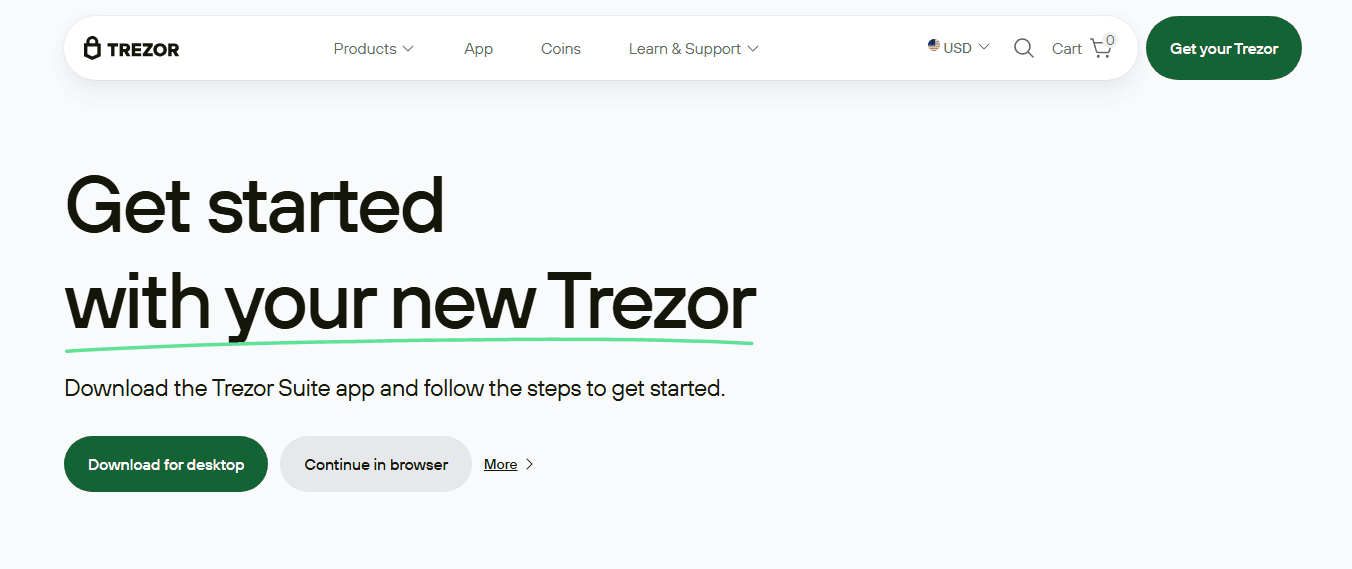
Trezor.io/Start: Your Complete Guide to Setting Up a Trezor Wallet
Cryptocurrencies give you full control over your money—but that control comes with responsibility. Without proper security, your crypto can be lost or stolen. That’s why Trezor, a leading hardware wallet, is essential for safely storing digital assets. Trezor keeps your private keys offline, protecting your funds from hackers and malware. This guide will show you everything you need to know to get started at Trezor.io/start.
1. Understanding Trezor
A Trezor wallet is a small, portable device designed to store your cryptocurrency private keys securely offline. Private keys are the codes that let you access and control your crypto holdings. Keeping them offline prevents unauthorized access and online theft.
Benefits of Trezor:
Offline Storage: Keeps private keys away from hackers.
Easy to Use: Simple interface via Trezor Suite.
Supports Many Cryptocurrencies: Bitcoin, Ethereum, and hundreds more.
Secure Transactions: All transactions are verified on the device.
Backup & Recovery: Restore your wallet if the device is lost or damaged.
Since its launch in 2014 by SatoshiLabs, Trezor has been a trusted name in crypto security.
2. Choosing Your Trezor Device
Trezor offers two main devices:
Model One
Affordable and reliable.
Supports major cryptocurrencies.
Ideal for beginners.
Model T
Advanced model with a touchscreen.
Supports more coins and tokens.
Features secure passphrase entry directly on the device.
Recommended for users managing larger or more diverse portfolios.
Tip: Start with Model One for basic needs. Upgrade to Model T if you want more coins, convenience, and enhanced security.
3. Preparing Your Device
Before starting, inspect the package. Trezor comes with tamper-evident seals. If the seal looks broken, do not use the device and contact Trezor support.
Step 1: Connect Your Trezor
Use the supplied USB cable to connect it to your computer.
Visit Trezor.io/start.
Download Trezor Suite, the official management software.
Step 2: Install Trezor Suite
Available for Windows, macOS, Linux, and mobile devices.
Open the software and select “Initialize Trezor”.
4. Creating or Recovering a Wallet
Trezor allows two options:
Create a New Wallet
The device generates a 12, 18, or 24-word recovery seed.
Write it down on the provided card.
Never store the seed digitally.
Recover an Existing Wallet
Input your recovery seed from another Trezor or compatible wallet.
This restores access to your funds securely.
Important: Your recovery seed is the only way to regain access if the device is lost or damaged. Protect it carefully.
5. Setting a PIN
A PIN adds a layer of protection for your Trezor.
How to Set a PIN:
The device displays a randomized numeric grid.
Enter your PIN using this grid to prevent malware from learning it.
Memorize your PIN. If forgotten, recovery seed is needed to reset the device.
6. Navigating Trezor Suite
Trezor Suite is the software hub for managing your cryptocurrencies.
Dashboard
Shows balances across all cryptocurrencies.
Provides portfolio overview and transaction history.
Receiving Crypto
Generate a receiving address for the selected cryptocurrency.
Share this address with the sender.
Sending Crypto
Enter the recipient’s address and amount.
Confirm transactions on the Trezor device.
Swapping Cryptocurrencies
Swap supported cryptocurrencies directly in Trezor Suite.
Private keys remain secure on your device.
Security Checks
Verify device authenticity.
Keep firmware up-to-date.
Conduct routine security checks.
7. Advanced Security Features
Trezor offers options for additional security:
Passphrase Protection
Adds a secret word to your recovery seed.
Creates a hidden wallet that can only be accessed with the passphrase.
Firmware Updates
Ensure your device is always secure and up-to-date.
Updates are verified in Trezor Suite.
Multisignature Wallets
Require multiple devices to approve transactions.
Ideal for shared wallets or businesses.
8. Backup and Recovery
The recovery seed is the key to restoring your wallet.
Best Practices:
Store offline in a secure, fireproof, and waterproof location.
Avoid taking photos or storing it digitally.
Consider a metal recovery plate for long-term durability.
9. Best Practices for Security
Only buy Trezor from official sources.
Never share your recovery seed or PIN.
Update firmware regularly.
Always verify addresses on the device before sending crypto.
Use strong, unique passphrases.
Following these practices helps ensure your cryptocurrency remains safe.
10. Troubleshooting
Device Not Detected
Check USB connections and try a different port.
Ensure Trezor Suite is installed and updated.
Forgotten PIN
Use your recovery seed to reset the wallet and set a new PIN.
Firmware Update Issues
Ensure a stable internet connection.
Retry installation or use another device if needed.
11. Why Trezor?
Offline Key Storage: Reduces online threats.
Easy to Use: Simple, beginner-friendly interface.
Supports Thousands of Coins: Including Bitcoin, Ethereum, and altcoins.
Advanced Security: Passphrases, multisig, and firmware verification.
Proven Reliability: Trusted since 2014.
12. Conclusion
Trezor gives you full control over your cryptocurrency while keeping it secure. Following the steps at Trezor.io/start helps you set up your wallet, manage transactions safely, and protect your funds. Always safeguard your recovery seed, create a strong PIN, and verify all transactions on the device. With Trezor, your crypto journey starts with confidence and security.